
Physio Performance, Health & Fitness
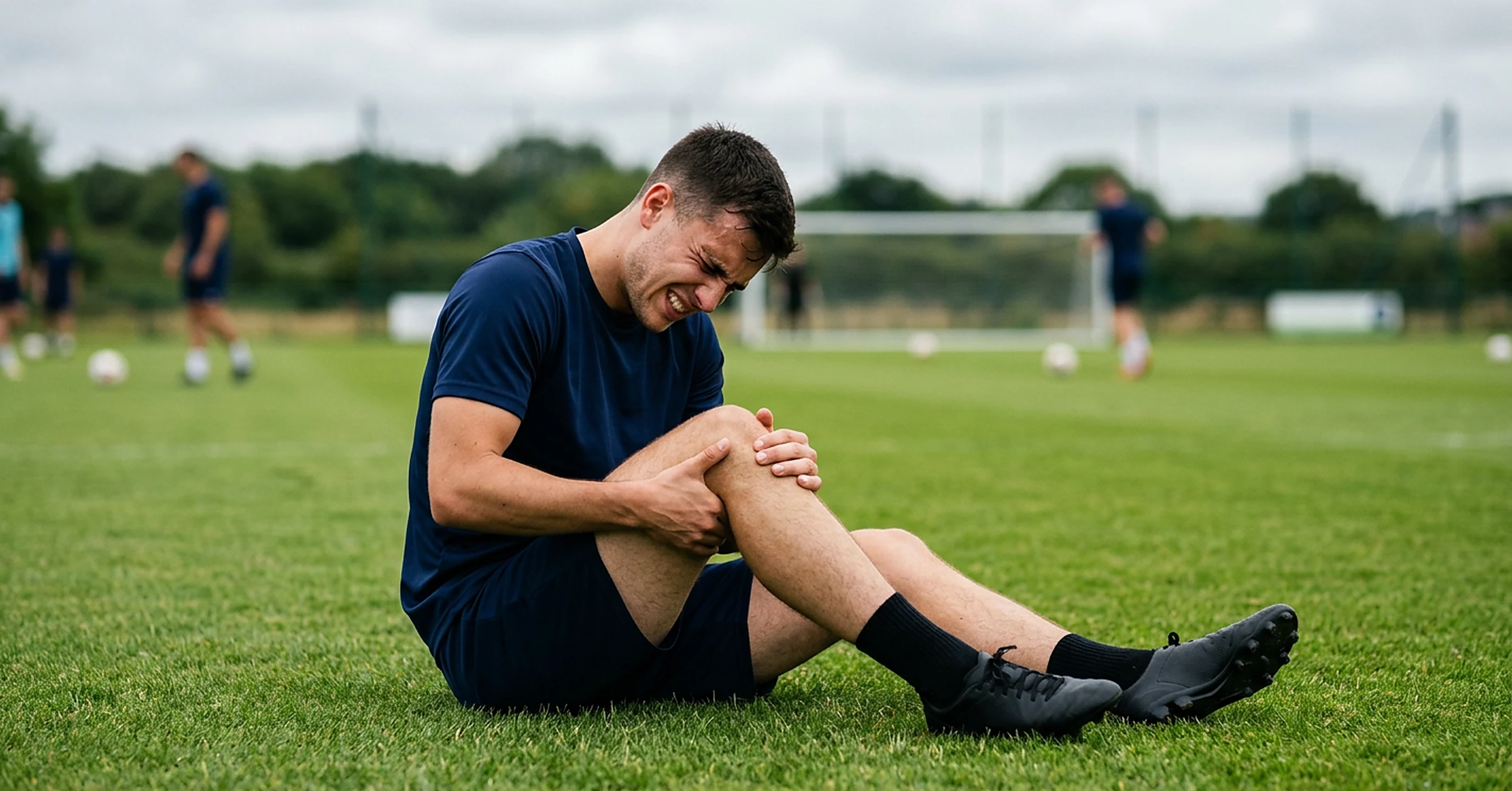
MCL Injury: Symptoms, Grades and Recovery Explained
The MCL, or medial collateral ligament, is one of the most commonly injured ligaments in the knee, particularly in field sports involving cutting, pivoting or contact to the outer side of the knee. MCL injury recovery varies considerably depending on the grade of injury, and understanding what the ligament actually does helps explain why.
This guide covers what the MCL does, how it typically gets injured, and what recovery genuinely looks like at each grade.
What the MCL Actually Does
The medial collateral ligament runs along the inner side of the knee, connecting the thigh bone to the shin bone, and its main job is resisting excessive sideways force that would otherwise push the knee inward. It’s a key stabiliser during cutting, pivoting and any movement that places sideways stress on the joint.
It’s most commonly injured by a direct blow to the outside of the knee, or a forceful twisting motion. In contact sports, a blow to the outer knee while the foot is planted is a classic mechanism. In non-contact situations, a sudden change of direction can place enough sideways stress on the ligament to injure it without any external contact at all.
The Grading System
Grade 1: mild sprain. A small number of fibres are stretched, with minimal instability. Pain and mild swelling on the inner knee, but the joint generally remains stable when tested.
Grade 2: moderate sprain, partial tear. More significant fibre damage, noticeable swelling, and some detectable looseness when the knee is tested sideways, though it doesn’t fully give way.
Grade 3: severe injury, complete tear. The ligament is completely torn, producing clear instability when tested, significant swelling, and often a sensation of the knee not feeling trustworthy during activity.
The grade at assessment strongly influences the expected recovery timeline, though other factors, including whether other structures in the knee are also affected, factor into the overall picture.

Recovery by Grade
Grade 1 injuries typically recover within one to three weeks. Early management focuses on reducing pain and swelling, followed by a progressive return to normal movement and light activity as symptoms allow, with most people returning to sport within a few weeks.
Grade 2 injuries generally take four to six weeks, sometimes longer. Treatment follows a similar progression but with a longer, more structured strengthening phase before returning to sport-specific activity, since the ligament needs more time to regain adequate strength and stability.
Grade 3 injuries can take two to three months, occasionally longer, and sometimes involve other structures. A complete MCL tear is more likely to occur alongside injury to other knee structures, particularly the ACL, which is part of why a thorough assessment matters considerably for this grade specifically. Surgery is less commonly required for isolated MCL injuries than for some other knee ligaments, since the MCL has a reasonable capacity to heal with appropriate conservative management, but this depends on the specific presentation.
What Treatment Actually Involves
Early protection and swelling management, without prolonged complete immobilisation, since some controlled movement supports better healing than keeping the knee entirely still.
Progressive range of motion work, restoring full movement gradually as pain allows.
Structured strengthening of the surrounding musculature, particularly the quadriceps and hamstrings, which support knee stability and reduce ongoing strain on the healing ligament.
Sport-specific reintroduction before full return to play, including cutting, pivoting and deceleration practised in a controlled environment before returning to unrestricted competitive activity.

An accurate grade assessment is the foundation of an appropriate recovery plan, since treating a grade 1 sprain the same as a grade 3 tear, or vice versa, produces a poorly matched rehabilitation programme either way. Book an assessment at our clinic in Drogheda if you’ve injured your knee and want an accurate diagnosis to guide the right recovery approach.
Frequently Asked Questions
It depends heavily on grade. Grade 1 sprains often recover within one to three weeks, grade 2 within four to six weeks, and grade 3 complete tears can take two to three months or longer.
No. Isolated MCL injuries often heal well with conservative, structured physiotherapy management, since the ligament has a reasonable capacity to heal on its own with appropriate treatment.
Through a clinical assessment including specific stability tests, alongside a discussion of how the injury occurred. Imaging is sometimes used to confirm the grade or check for involvement of other structures.
It depends on the grade. Mild sprains often allow walking with some discomfort, while more severe injuries may cause noticeable instability that makes walking considerably more difficult until treatment begins.
No, they’re different ligaments serving different stabilising functions, though they can be injured together in the same incident, particularly with more severe knee injuries, which is why a thorough assessment matters.