
Physio Performance, Health & Fitness
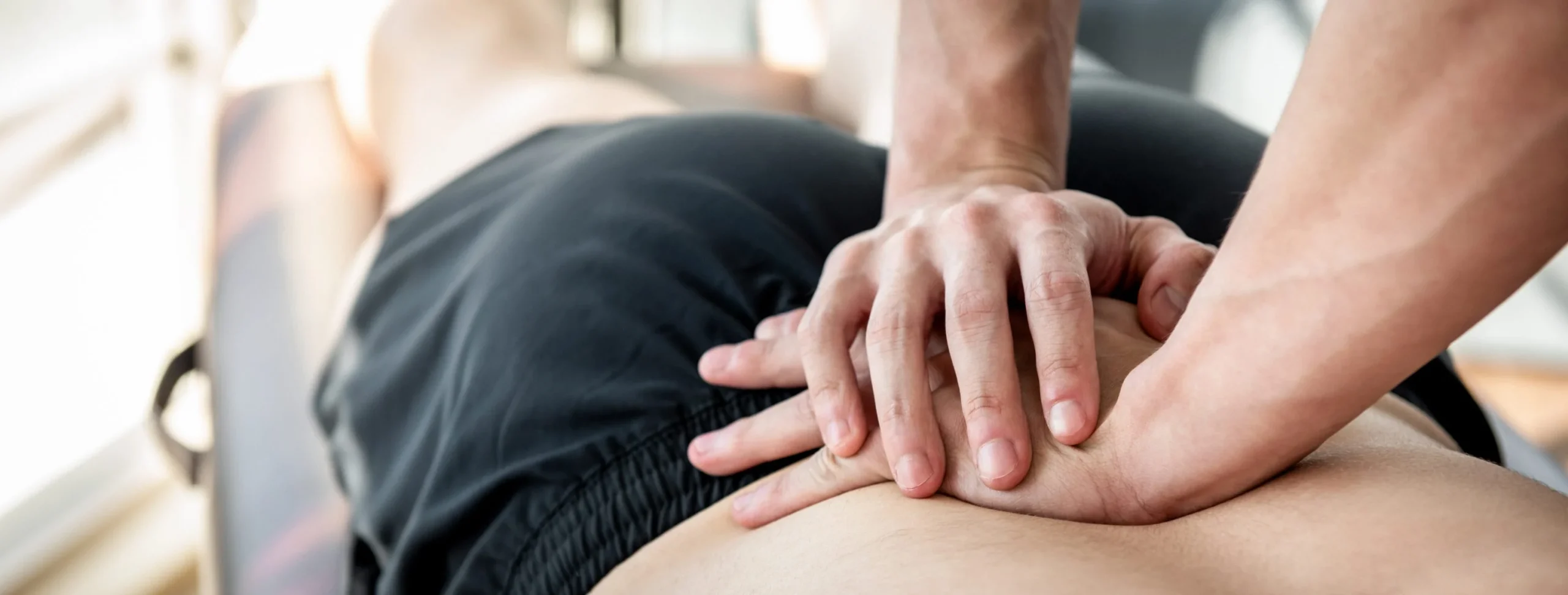
Hip Pain Treatment Drogheda at Physio Performance is one of the most common reasons people come through our door and one of the conditions we most frequently see mismanaged elsewhere. Hip pain is not a single condition. It is a symptom that can be generated by a wide range of structures and driven by very different mechanisms depending on the patient, their age, their activity level, and what is actually happening inside and around the joint.
Tell me if this sounds familiar. Your hip has been aching for months. Maybe it is deep in the groin. Maybe it is on the outside where you cannot lie on that side at night. Maybe it runs down into your thigh or even your knee. You have been told it is arthritis, or a tight IT band, or that you need to stretch more. You have been stretching. You have been resting. And the hip is still there, still aching, still limiting what you can do.
The problem is not that your hip cannot get better. The problem is that nobody has properly identified what is actually causing the pain. At Physio Performance we start there every single time. Hip pain treatment that does not begin with a correct diagnosis is not treatment. It is guesswork.
1. Why Hip Pain Is So Frequently Misdiagnosed
The hip joint sits at the intersection of the lumbar spine above, the sacroiliac joint behind, and the knee below. Pain from any of these neighbouring structures can be felt in the hip region and pain from the hip itself can radiate into the groin, the thigh, the buttock, and even the knee. This referral pattern means that a patient presenting with hip pain may actually have a lumbar disc problem, a sacroiliac joint dysfunction, or a gluteal tendon issue rather than a true hip joint problem.
The consequence of this anatomical complexity is that hip pain is frequently misdiagnosed and therefore frequently undertreated. A patient told they have hip arthritis who actually has gluteal tendinopathy will not improve on an arthritis management programme. A patient told to rest a tight IT band who actually has a hip labral problem will not resolve with stretching. Getting the specific diagnosis right is not optional in hip pain treatment. It is the entire foundation of everything that follows.
2. The Most Common Hip Conditions We Treat in Drogheda
Greater trochanteric pain syndrome. The most common cause of outer hip pain in adults. Involves the gluteal tendons at their attachment to the greater trochanter and sometimes the bursa in the same area. Produces pain on the outer hip that is worse lying on the affected side, climbing stairs, crossing the legs, and prolonged walking. Significantly more common in women and in runners. Responds excellently to progressive loading rehabilitation when managed correctly.
Hip osteoarthritis. Degeneration of the hip joint cartilage producing groin pain, stiffness particularly after rest, and progressive limitation of movement. Hip OA is not a reason to stop moving. Exercise and physiotherapy are the most effective treatments for managing hip OA symptoms and maintaining function. Surgery is the last resort not the first option.
Femoroacetabular impingement. A mechanical problem where abnormal contact occurs between the femoral head and the acetabulum during certain hip movements. Common in young active adults and in athletes. Produces groin pain with hip flexion activities including sitting for long periods and deep squatting.
Hip flexor tendinopathy. Pain at the front of the hip at the iliopsoas tendon. Common in runners, cyclists, and people who sit for long periods. Often misidentified as hip joint pain because of the similar location of symptoms.
Gluteal muscle tears and strains. Acute muscle injuries to the gluteal muscles occurring in field sport athletes during sprinting and change of direction activities. Require specific diagnosis and staged rehabilitation to ensure full recovery and prevent recurrence.
Referred pain from the lumbar spine. Nerve root irritation from lumbar disc herniation or joint dysfunction at the lower lumbar levels regularly produces pain felt in the buttock, outer hip, and thigh that is indistinguishable from local hip conditions without a proper clinical assessment examining both regions. For our complete guide on lower back conditions see our Back Pain Treatment Drogheda blog.
3. Hip Pain Treatment Drogheda: The Proven Approach at Physio Performance
3.1 Assessment That Finds the Real Source
Every patient presenting with hip pain at Physio Performance begins with a thorough one-to-one assessment that examines hip range of motion and joint mechanics, hip muscle strength particularly the gluteal muscles, lumbar spine and sacroiliac joint contribution to symptoms, gait analysis where relevant, and any occupational or sporting demands contributing to the loading pattern driving the condition
This assessment produces a specific diagnosis and a specific hip pain treatment plan rather than generic hip exercises that may or may not address what is actually causing the pain. It is the single most important part of the entire process.
3.2 Progressive Loading Rehabilitation
For the majority of hip conditions including greater trochanteric pain syndrome, hip flexor tendinopathy, and hip OA, progressive loading rehabilitation targeting the specific muscles involved is the most important treatment component. The gluteal muscles in particular are consistently underloaded in people with outer hip pain and their specific rehabilitation is the cornerstone of treatment.
The progressive loading approach for hip pain treatment at Physio Performance follows a specific sequence. Initial exercises focus on low load activation of the deep gluteal stabilisers while avoiding positions that provoke symptoms. As strength and pain tolerance improve load is progressively increased and exercises are made increasingly functional until the demands of the patient’s daily life and sport can be handled without symptoms.
Every patient receives their programme through the Physitrack app with video guidance and progressive targets so they always know exactly what to do between sessions and why.
3.3 Manual Therapy and Hands-On Treatment
Joint mobilisation of the hip, soft tissue release of the hip flexors, gluteals, and piriformis, and treatment of the lumbar spine and sacroiliac joint where contribution to symptoms has been identified all play supporting roles in hip pain treatment at Physio Performance.
3.4 Shockwave Therapy for Gluteal Tendinopathy
For greater trochanteric pain syndrome and gluteal tendinopathy that has not responded adequately to progressive loading, Shockwave Therapy is consistently one of the most effective additional interventions available. Research demonstrates significantly better outcomes for shockwave therapy combined with loading rehabilitation compared to loading alone for persistent gluteal tendinopathy.
3.5 TECAR Therapy for Acute Hip Presentations
For patients with acute severe hip pain or significant soft tissue inflammation where exercise is difficult to tolerate in the early stages, TECAR Therapy provides significant pain relief and creates a much better environment for the rehabilitation work that follows.
3.6 VALD ForceDecks Objective Strength Assessment
For patients recovering from significant hip injuries including gluteal muscle tears and post-surgical hip rehabilitation our VALD ForceDecks force plate assessment provides objective data on hip and lower limb strength symmetry that confirms genuine readiness for return to full activity rather than relying on subjective pain reports alone.
4. Hip Pain in GAA Players and Athletes
Hip injuries are among the most common and most performance-limiting conditions in GAA players. The explosive hip extension demands of sprinting and kicking, the repeated change of direction, and the cumulative loading of a long GAA season create a specific pattern of hip conditions that require sport-informed management.
Gluteal strains, hip flexor tendinopathy, and femoroacetabular impingement are the three most common hip presentations in GAA athletes at Physio Performance. All three require specific diagnosis and specific management rather than generic rest and anti-inflammatory advice.
For our complete approach to GAA sports injuries and return to performance see our Physiotherapist Drogheda guide and our HRIG Hamstring Assessment page which addresses the interaction between hip and hamstring conditions common in field sport athletes.
5. How Long Does Hip Pain Take to Recover
Recovery timelines depend significantly on the specific diagnosis and how consistently the rehabilitation programme is followed.
Greater trochanteric pain syndrome with appropriate progressive loading typically shows meaningful improvement within 8 to 12 weeks with significant recovery at 3 to 6 months. Hip OA management is ongoing but most patients achieve meaningful improvement in pain and function within 8 to 12 weeks of a structured programme. Hip flexor tendinopathy typically responds within 6 to 10 weeks. Gluteal muscle strains in athletes recover in 3 to 8 weeks depending on grade.
According to research published in the British Journal of Sports Medicine on hip tendinopathy management, progressive loading rehabilitation produces significantly better long-term outcomes than passive approaches and steroid injection alone for greater trochanteric pain syndrome making it the recommended first-line treatment approach.
At Physio Performance the average patient across all conditions reaches discharge in 6 sessions compared to the industry average of 12. You can download our Free Knee and Hip Pain Guide for immediate practical advice or book directly online with no GP referral needed.
6. Frequently Asked Questions
No. Hip arthritis is one of many causes of hip pain and not even the most common in people under 60. Greater trochanteric pain syndrome, hip flexor tendinopathy, referred pain from the lumbar spine, and femoroacetabular impingement are all common causes frequently misidentified as arthritis. A proper clinical assessment is essential for getting the specific diagnosis right and therefore getting the right treatment.
For the vast majority of hip pain conditions staying active with appropriate modifications produces significantly better outcomes than complete rest. The specific activities that aggravate the condition should be modified but general movement and progressive strengthening are usually beneficial. The main exception is acute muscle tears in the early days following injury where brief relative rest is appropriate before progressive loading begins.
Yes significantly. Research consistently demonstrates that exercise and physiotherapy produce meaningful improvements in pain, function, and quality of life for people with hip OA and that these improvements are comparable to surgical outcomes in many cases. Hip replacement surgery remains an option for severe end-stage OA but physiotherapy-led management should always be comprehensively trialled first.
Outer hip pain on lying is the most characteristic symptom of greater trochanteric pain syndrome involving the gluteal tendons at the outer hip. The sustained compression of the tendon attachment between the greater trochanter and the surface irritates the already sensitive tissue. Placing a pillow between your knees to prevent the hip adducting is the most immediately effective position change for reducing night pain with this condition.
Yes. Weak hip abductors and external rotators allow the femur to drop and rotate inward during walking and running increasing the stress on the medial knee structures. Treating hip strength deficits as part of knee pain management is standard practice at Physio Performance for conditions including patellofemoral pain and IT band syndrome.