
Physio Performance, Health & Fitness
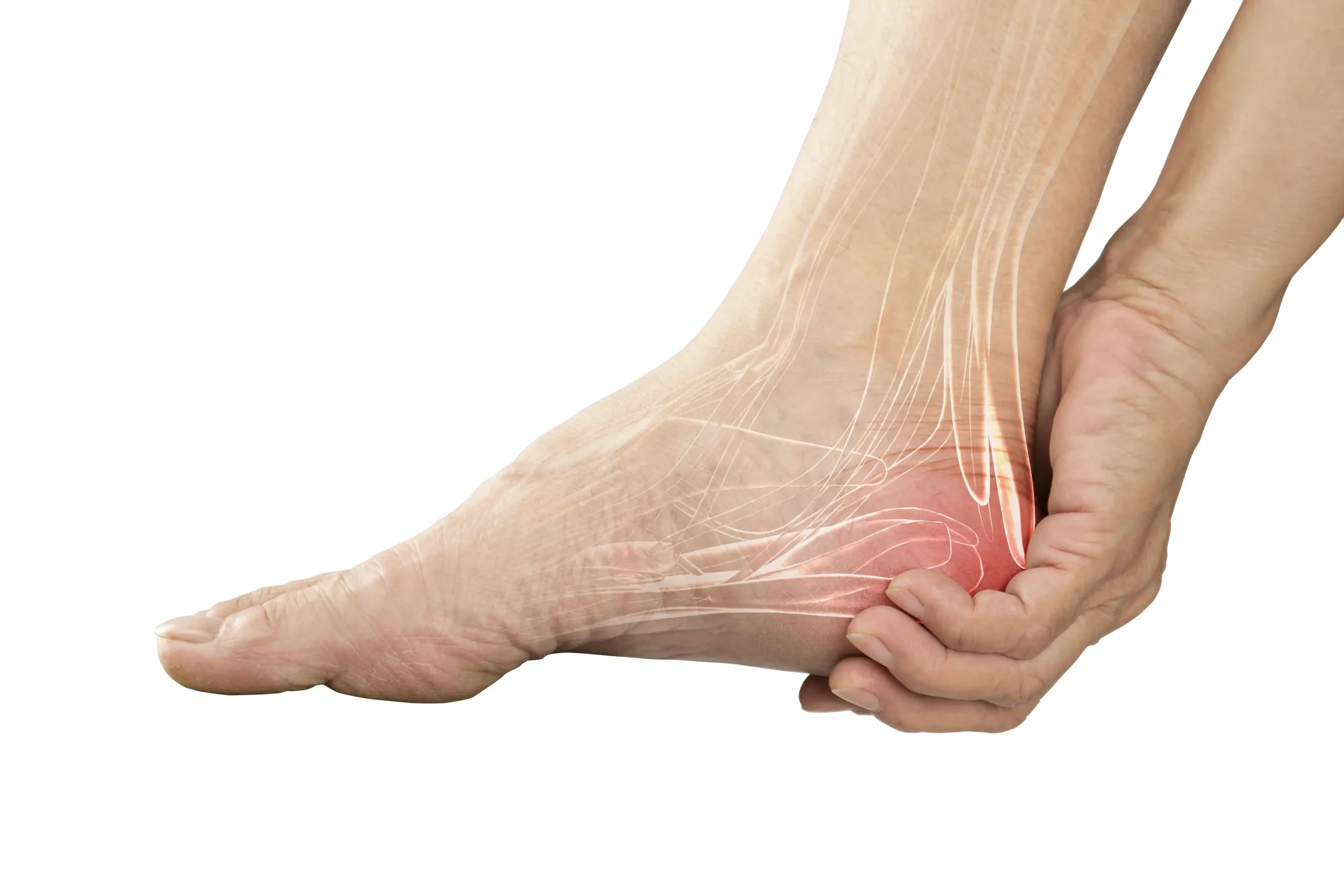
Pain in the ball of the foot is one of those daily life problems that most people put up with far longer than they should. It is not dramatic enough to feel like it needs urgent attention. But it is persistent enough to change how you walk, what shoes you wear, how long you can stand, and whether you can enjoy activities that used to be simple pleasures. A walk on the beach. A full day of shopping. Standing in the kitchen cooking a meal. All of it limited by that burning, aching, sometimes sharp pain across the front of the foot that builds through the day and makes you want to get off your feet every chance you get.
At Physio Performance in Drogheda we see pain in the ball of the foot regularly and it is one of the conditions patients most frequently describe as something they assumed they simply had to live with. They do not. The vast majority of conditions causing pain in the ball of the foot have a specific cause, respond well to the right treatment, and resolve completely with proper management.
This guide covers exactly what causes pain in the ball of the foot, why each cause requires a different approach, and what proper treatment looks like at Physio Performance.
1. What Structures Are in the Ball of the Foot
The ball of the foot is the padded area across the front of the sole just behind the toes. It includes the heads of the five metatarsal bones, the sesamoid bones beneath the first metatarsal head, the plantar plate ligaments that stabilise each toe joint, the digital nerves that pass between the metatarsal heads toward the toes, and the fat pad that provides cushioning across this area during weight-bearing.
Any of these structures can become the source of pain in the ball of the foot, which is why identifying the specific structure involved through a proper clinical assessment is the essential first step in effective treatment. Pain in the same location on the foot can come from completely different sources requiring completely different management.
2. The Most Common Causes of Pain in the Ball of the Foot
Metatarsalgia. The most broad category for pain in the ball of the foot, metatarsalgia refers to pain at one or more of the metatarsal heads from overloading of the forefoot. It can be driven by footwear that places excessive load on the forefoot, by foot mechanics that concentrate load on a single metatarsal head, by activity volume that exceeds the tolerance of the forefoot structures, or by the loss of the fat pad cushioning that occurs with age. It is not a specific diagnosis but a description of the symptom that requires further assessment to identify the specific driving factor.
Morton’s neuroma. A thickening of the tissue around the digital nerve that passes between the metatarsal heads, most commonly between the third and fourth metatarsals. Morton’s neuroma produces a burning, tingling, or electric shock sensation in the toes, often accompanied by the feeling of standing on a small stone or a folded sock. Symptoms are typically provoked by wearing tight footwear and relieved by removing the shoe and rubbing the foot. Pain in the ball of the foot from Morton’s neuroma is very specifically located between the affected metatarsal heads.
Plantar plate tear or dysfunction. The plantar plate is a fibrocartilaginous ligament on the underside of each toe joint that stabilises the toe and prevents it from dorsiflexing excessively. When it becomes damaged or insufficient, the affected toe begins to drift upward and the metatarsal head below it loses its protective padding. Pain in the ball of the foot from plantar plate dysfunction is located directly under the affected metatarsal head and is accompanied by tenderness of the toe joint and a characteristic drawer test finding on clinical examination.
Sesamoiditis. The sesamoid bones are two small bones embedded in the tendons beneath the first metatarsal head. They act as pulleys for the flexor tendons and play an important role in the load distribution under the big toe during push-off. When they become inflamed or fractured, pain in the ball of the foot is located specifically beneath the first metatarsal head and is provoked by pressure on that area and by activities requiring push-off through the big toe.
Stress fracture of the metatarsal. Repetitive loading that exceeds the bone’s capacity to remodel produces a stress fracture, most commonly in the second or third metatarsal. Pain in the ball of the foot from a metatarsal stress fracture is point-specific, provoked by direct pressure on the metatarsal shaft and by impact activity, and typically develops gradually over weeks rather than appearing acutely.
Fat pad atrophy. The fat pad across the ball of the foot provides essential cushioning during weight-bearing. With age, high heeled footwear, and repetitive impact loading this fat pad can thin and lose its protective capacity, leaving the metatarsal heads less well-cushioned and more susceptible to pain under load.
3. Pain in the Ball of the Foot: The Proven Approach at Physio Performance
3.1 Clinical Assessment to Identify the Real Source
Every patient presenting with pain in the ball of the foot at Physio Performance begins with a thorough one-to-one assessment. The location of the pain is mapped specifically. The behaviour of the pain across the day and in different activities is documented. Clinical tests for each of the specific conditions above are performed to identify which structure is involved. Footwear is assessed and foot mechanics during standing and walking are observed.
This specific assessment is what makes the treatment plan target the correct structure rather than applying a generic forefoot protocol to every presentation of pain in the ball of the foot.
3.2 Custom Orthotics and Footwear Advice
For many presentations of pain in the ball of the foot the most important treatment component is addressing the loading pattern that is causing the affected structure to be overloaded. Custom Orthotics built from a Gaitscan computerised pressure analysis allow the specific pressure distribution across the forefoot to be modified, offloading the painful structure and redistributing load to better-tolerating areas.
Footwear advice is equally important. Most pain in the ball of the foot is aggravated by footwear with narrow toe boxes, high heels, or inadequate forefoot cushioning. Identifying the specific footwear modifications that reduce load on the affected structure is a practical and often immediately impactful component of treatment.
3.3 Metatarsal Padding and Offloading
For presentations including Morton’s neuroma and metatarsalgia, specific metatarsal pads placed just behind the affected metatarsal heads redistribute forefoot pressure away from the painful area. These can be fitted to existing footwear and provide immediate symptomatic relief while the underlying structural issues are addressed through other treatment components.
3.4 Manual Therapy and Joint Mobilisation
Joint stiffness in the metatarsophalangeal joints and the surrounding soft tissue restrictions that contribute to altered forefoot loading are addressed through targeted manual therapy. For plantar plate conditions specific joint mobilisation and taping techniques reduce the forces on the plantar plate during weight-bearing and create the environment for gradual tissue recovery.
3.5 Progressive Loading and Rehabilitation
For conditions including sesamoiditis, plantar plate dysfunction, and stress fracture recovery, a progressive loading programme that gradually rebuilds the tolerance of the affected structure to the demands of daily activity and sport is the primary rehabilitation component. This is particularly important for athletes who need to return to running, court sport, or any activity requiring significant forefoot push-off.
Every patient receives their programme through the Physitrack app with video guidance and progressive targets ensuring correct exercise execution between sessions.
4. What You Can Do Right Now for Pain in the Ball of the Foot
While waiting for your physiotherapy appointment these practical steps help manage pain in the ball of the foot without making the condition worse.
Review your footwear immediately. The single most impactful short-term intervention for most presentations of pain in the ball of the foot is changing to footwear with a wider toe box, adequate forefoot cushioning, and a lower heel-to-toe drop. Even temporary use of supportive, well-cushioned footwear significantly reduces the loading on the forefoot structures and eases symptoms while the underlying condition is treated.
Add a gel metatarsal pad. Inexpensive gel metatarsal pads available in most pharmacies provide immediate pressure redistribution under the forefoot. Place the pad just behind the painful area so it supports the metatarsal heads without pressing directly onto them.
Reduce impact activity temporarily. Activities that involve repetitive forefoot loading including running, jumping, and prolonged walking on hard surfaces should be reduced while the condition is being assessed and treated. Replace with low-impact activities including cycling and swimming that maintain fitness without loading the forefoot.
Ice after provocative activity. Applying an ice pack wrapped in a damp cloth to the forefoot for 15 minutes after activity that has provoked the pain helps manage local tissue irritation.
For more on foot and lower limb conditions download our Free Stop Knee and Hip Pain Guide or book directly online with no GP referral needed.
5. How Long Does Pain in the Ball of the Foot Take to Resolve
Recovery timelines vary based on the specific diagnosis and how consistently the treatment plan is followed.
Metatarsalgia driven by footwear and mechanics issues typically responds meaningfully within four to eight weeks of footwear modification, orthotic support, and any additional treatment indicated.
Morton’s neuroma is variable. Mild to moderate presentations often respond well to footwear modification, orthotic offloading, and occasionally corticosteroid injection over eight to twelve weeks. More severe presentations may require surgical intervention.
Plantar plate tears typically require eight to twelve weeks of conservative management for significant improvement and may require longer for complete resolution.
Sesamoiditis typically responds within six to ten weeks with appropriate offloading and progressive rehabilitation.
Metatarsal stress fractures require four to eight weeks of appropriate offloading followed by a graduated return to loading.
According to research published in the Journal of Foot and Ankle Research on forefoot pain management, conservative physiotherapy-led management including footwear modification, orthotic prescription, and targeted rehabilitation produces significant improvement in the majority of forefoot pain presentations including Morton’s neuroma and metatarsalgia, supporting a conservative first approach before any surgical consideration.
6. Frequently Asked Questions
No. The majority of conditions causing pain in the ball of the foot including metatarsalgia, mild Morton’s neuroma, and fat pad atrophy respond well to conservative management and are not associated with structural damage requiring surgical intervention. A proper clinical assessment establishes the specific diagnosis and determines the appropriate management approach.
This description is the classic symptom of Morton’s neuroma. The thickened nerve tissue between the metatarsal heads creates a sensation very specifically described as stepping on a pebble or a folded sock. Removing the shoe and massaging the forefoot typically provides temporary relief. Tight footwear consistently aggravates the symptoms. This presentation should be assessed by a physiotherapist for specific diagnosis and management.
Prolonged regular use of high heeled footwear concentrates forefoot loading significantly and contributes to fat pad atrophy, metatarsalgia, and the development of conditions including Morton’s neuroma over time. Switching to lower heeled footwear with adequate forefoot support reduces this loading and can significantly improve symptoms, though the structural changes including fat pad thinning that develop over years of high heel use do not fully reverse with footwear change alone.
Sudden onset of acute pain in the ball of the foot after running, jumping, or other impact activity should always be assessed. The most important condition to exclude in this presentation is a metatarsal stress fracture, which requires specific management including activity modification and potentially imaging. A thorough clinical assessment will determine whether imaging is indicated based on the specific findings.
Not necessarily. The footwear requirements for most presentations of pain in the ball of the foot include a wide enough toe box to avoid compression of the forefoot, adequate forefoot cushioning to reduce impact loading, and a heel-to-toe drop that does not concentrate excessive load on the metatarsal heads. These characteristics are available in many standard shoe categories without requiring specialist medical footwear. Your physiotherapist will advise on specific footwear features relevant to your diagnosis.