
Physio Performance, Health & Fitness
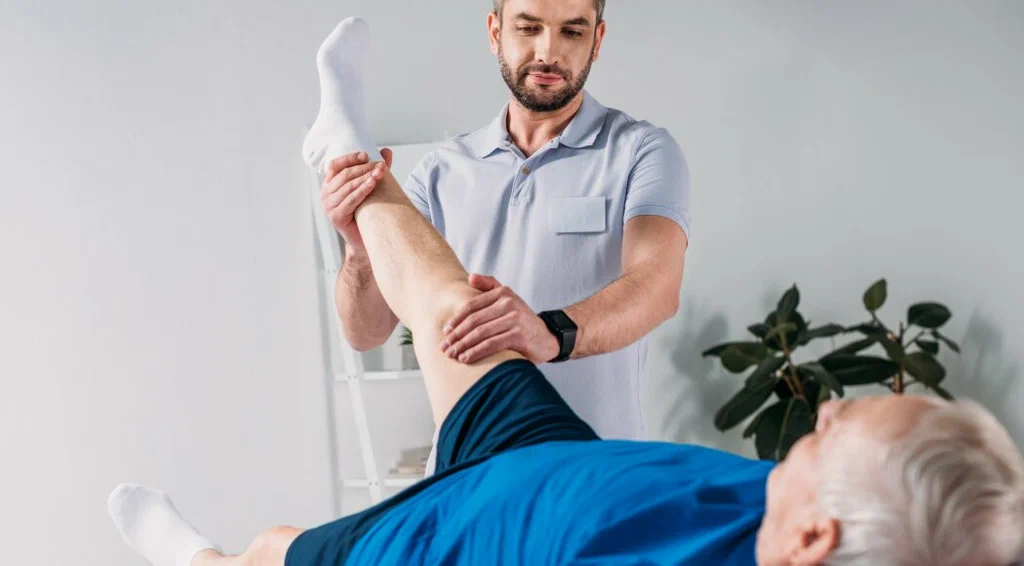
Physiotherapist in Drogheda
Physiotherapist Drogheda searches happen every single day from people across Co. Louth who are dealing with pain, recovering from injury, trying to get back to sport, or looking to stay active without their body getting in the way. If you are one of those people, this guide is written specifically for you — covering what to look for, what questions to ask, what to expect from a first appointment, and why choosing the right physiotherapist in Drogheda makes an enormous difference to how quickly and completely you recover.
Not all physiotherapy is the same. The right physiotherapist finds the root cause of your problem, gives you a clear explanation of what is going on and why, and builds a treatment plan that is specific to you — not a generic programme given to every patient with similar symptoms. The wrong physiotherapist treats the symptom without addressing what is driving it, sends you home with exercises that do not change, and sees you for the same complaint month after month without meaningful progress.
This guide will help you know the difference — and show you exactly what exceptional physiotherapy in Drogheda looks like in 2026.
This guide covers exactly what shockwave therapy is, how it works, which conditions it treats most effectively, and what you can expect from treatment at Physio Performance in Drogheda.
1. What a Physiotherapist in Drogheda Actually Does
In practical terms a physiotherapist assesses, diagnoses, and treats a wide range of musculoskeletal, sports, and movement-related conditions. They work with people of all ages — from children recovering from sports injuries to older adults managing the effects of arthritis or recovering from joint replacement surgery. They use a combination of hands-on treatment, exercise prescription, education, and in advanced clinics, technology-assisted therapies including shockwave therapy, TECAR therapy, and dry needling.
The most important thing a good physiotherapist does is not any specific technique. It is the ability to listen, assess thoroughly, explain clearly, and build a plan that the patient understands and can commit to. The therapeutic relationship — the trust between patient and therapist — is the vehicle through which all recovery actually travels.
2. What to Look for When Choosing a Physiotherapist in Drogheda
There are several physiotherapy clinics in the Drogheda area. Choosing the right one is not simply a matter of finding the most convenient location or the lowest price. These are the factors that matter most.
Qualifications and registration. Every physiotherapist in Drogheda should hold BSc or MSc level qualifications, CORU registration, and ISCP membership. Beyond baseline qualifications, look for therapists who hold postgraduate specialisations relevant to your condition — a masters in sports physiotherapy, specialist certification in vestibular rehabilitation, or specific training in women’s health physiotherapy.
Assessment approach. The first appointment with any physiotherapist should be primarily an assessment — a thorough, unhurried process of understanding your history, your symptoms, your movement patterns, your goals, and the specific factors driving your condition. A physiotherapist who begins treatment in the first session without conducting a proper assessment is not operating to the standard that produces the best outcomes.
Communication and explanation. A great physiotherapist explains your diagnosis clearly — in language you can understand — along with why the condition developed, what needs to happen for it to resolve, and what your role in that process is. You should leave your first appointment understanding more about your problem than you did when you arrived.
Exercise prescription via technology. In 2026 there is no reason for a patient to leave a physiotherapy appointment with a paper exercise sheet that they will lose within 48 hours. Clinics that send personalised exercise programmes directly to patients through digital platforms — complete with video demonstrations, sets, reps, and progressions — consistently produce better outcomes because patients actually do their exercises correctly and consistently.
Results and patient outcomes. Look at Google reviews — not just the rating but the specific content of what patients say. Reviews that describe specific outcomes, specific therapist qualities, and specific experiences are far more informative than generic five-star ratings. The consistency of positive outcomes described in reviews tells you more about a clinic’s quality than any marketing material.
According to the Irish Society of Chartered Physiotherapists, patients who engage with chartered physiotherapists experience significantly better outcomes than those who seek unregistered or uncertified practitioners. Verifying credentials before booking protects both your health and your investment.
3. Physiotherapist Drogheda: What Physio Performance Offers and Why It Is Different
3.1 A Team of Specialist Therapists Under One Roof
At Physio Performance in Drogheda we have assembled a team of specialist therapists whose combined expertise covers the full spectrum of physiotherapy, athletic therapy, sports massage, strength and conditioning, and personal training. This means that whatever your condition — whether you are a GAA player with a hamstring injury, an office worker with chronic neck pain, a post-surgical patient rebuilding strength, or someone dealing with a vestibular condition causing dizziness — there is a therapist on our team with specific expertise in exactly what you need.
Our team includes chartered physiotherapists with masters-level qualifications, certified athletic therapists with elite-level sports experience, a vestibular and concussion specialist, a women’s health physiotherapist, and a neuromuscular sports massage therapist who is the current Louth Senior Football Team massage therapist. Every therapist on our team holds USA Basketball Gold equivalent certifications in their discipline and has played or worked in their sport at a high level.
3.2 The Fastest Path From Pain to Performance
The average number of sessions to discharge at Physio Performance is 6 — compared to an industry average of 12. This is not because we rush patients out the door. It is because every session is built around a specific goal, every exercise has a clear purpose, and the programme evolves with the patient’s progress at every visit. We measure outcomes rather than assuming improvement.
Every patient at Physio Performance receives their exercise programme through the Physitrack app — a digital platform that delivers personalised video-guided exercises directly to your phone, ensuring you know exactly what to do between sessions. This is one of the most consistent factors in the outcomes our patients achieve — they do their exercises correctly, consistently, and with the confidence of knowing exactly what they are working toward.
3.3 Advanced Technology That Accelerates Recovery
As a physiotherapist Drogheda patients trust for complex and persistent conditions, Physio Performance invests in the technology that makes a genuine clinical difference.
Shockwave Therapy for chronic tendinopathy conditions — plantar fasciitis, Achilles tendinopathy, patellar tendinopathy, calcific shoulder tendinitis — that have not responded to standard treatment.
TECAR Therapy using radiofrequency energy to generate deep therapeutic warmth, reduce inflammation, and accelerate tissue healing in both acute and chronic conditions.
VALD ForceDecks force plate technology for objective strength and symmetry testing — essential for accurate return to sport decisions after knee, hip, and lower limb injuries.
HRIG Hamstring Assessment — the only clinic in the Louth and Meath area with this specialist hamstring strength testing device, providing objective data on hamstring readiness before return to full sport.
Dry Needling for myofascial trigger point release and deep muscle tension that does not respond to manual therapy alone.
Custom Orthotics using Gaitscan pressure plate technology to assess and address foot mechanics contributing to lower limb pain.
3.4 Communication That Never Leaves You in the Dark
One of the things our patients consistently mention in their reviews is how well our team communicates — not just during appointments, but between them. We follow up after sessions to check on progress. We contact doctors or consultants directly where continuity of care requires it. We make sure every patient always knows where they are in their recovery, what they are working toward next, and who to contact if anything changes between appointments.
Read what patients across Drogheda and Co. Louth say about their experience on our Reviews page.
4. Conditions Treated by Our Physiotherapists in Drogheda
The team at Physio Performance treats the full range of musculoskeletal and sports conditions. These are some of the most common presentations we see.
Back pain. Lower back pain is the most common reason people search for a physiotherapist in Drogheda. Whether it is acute, chronic, disc-related, or postural, our assessment-first approach finds the root cause and addresses it with a specific treatment plan. Download our Free Lower Back Pain Guide for immediate practical advice.
Neck and shoulder pain. Neck stiffness, shoulder impingement, rotator cuff injuries, and the headaches that are often driven by upper cervical dysfunction rather than the head itself. See our Free Neck and Shoulder Pain Guide.
Knee and hip pain. Patellofemoral pain, patellar tendinopathy, IT band syndrome, hip osteoarthritis, gluteal tendinopathy, and post-surgical rehabilitation. See our Free Knee and Hip Pain Guide.
Sports injuries. ACL reconstruction rehabilitation, hamstring injuries, ankle sprains, shoulder dislocations, and the full range of GAA and field sport injuries. Our therapists have elite-level sports experience and use objective testing tools to ensure safe return to sport.
Vestibular and concussion rehabilitation. Dizziness, vertigo, balance problems, and post-concussion syndrome managed by our specialist vestibular physiotherapist. See our Vestibular Rehabilitation page.
Women’s health physiotherapy. Pelvic floor assessment and rehabilitation for incontinence, prolapse, post-natal recovery, and pelvic pain. See our Women’s Health page.
Post-surgical rehabilitation. Hip replacement, knee replacement, rotator cuff repair, and ACL reconstruction rehabilitation delivered with the same outcomes-focused approach as our sports injury work.
5. How to Book an Appointment With a Physiotherapist in Drogheda
Booking an appointment at Physio Performance is straightforward and does not require a GP referral. You can book directly online at any time of day or night, selecting the appointment type and therapist that best match your needs.
If you are not sure which therapist or appointment type is right for your condition, you can request a free callback and a member of our team will call you to discuss your situation and make sure you are booked with the right person from the start.
We are located at Donore Business Park, Unit 18, 2nd Floor, Drogheda, Co. Louth — with free parking directly outside. Our opening hours are designed to accommodate working schedules with early morning appointments from 7:15am and evening appointments available until 8pm on Monday and Wednesday.
9. Frequently Asked Questions
No. In Ireland you have direct access to physiotherapy and do not need a GP referral to book an appointment at Physio Performance in Drogheda. You can book online at any time. Direct access means you can start your assessment and treatment faster — without waiting for a GP appointment first. If your physiotherapist identifies a need for medical review or imaging during your assessment they will advise accordingly.
Initial assessment and treatment appointments at Physio Performance are 45 to 60 minutes depending on the appointment type. This gives your therapist adequate time to conduct a thorough assessment, begin treatment, explain your diagnosis clearly, and set up your personalised exercise programme. Follow-up appointments are typically 45 minutes. Specialist appointments including vestibular, concussion, and women’s health assessments may be 60 minutes.
Most major Irish health insurers — including VHI, Laya Healthcare, and Irish Life Health — cover physiotherapy when delivered by a chartered physiotherapist. The amount covered varies by plan and insurer. We recommend contacting your insurer before your first appointment to confirm your specific coverage and whether pre-authorisation is required. Physio Performance therapists are chartered and CORU registered, meeting the requirements of all major Irish health insurers.
This depends entirely on your condition, how long it has been present, and how consistently you engage with your home exercise programme between sessions. The average number of sessions to discharge at Physio Performance is 6 — significantly below the industry average of 12. Your therapist will give you a realistic indication of the expected treatment course at your first appointment based on your specific presentation.
Wear comfortable clothing that allows access to the area being treated — shorts for knee or hip assessments, a vest or loose top for shoulder or back assessments. Bring any relevant imaging — X-rays, MRI reports, or ultrasound results — and a list of any medications you are taking. Arrive a few minutes early to complete any intake paperwork. Most importantly bring a clear description of your symptoms — when they started, what makes them better or worse, and what you are hoping to achieve from treatment.