
Physio Performance, Health & Fitness
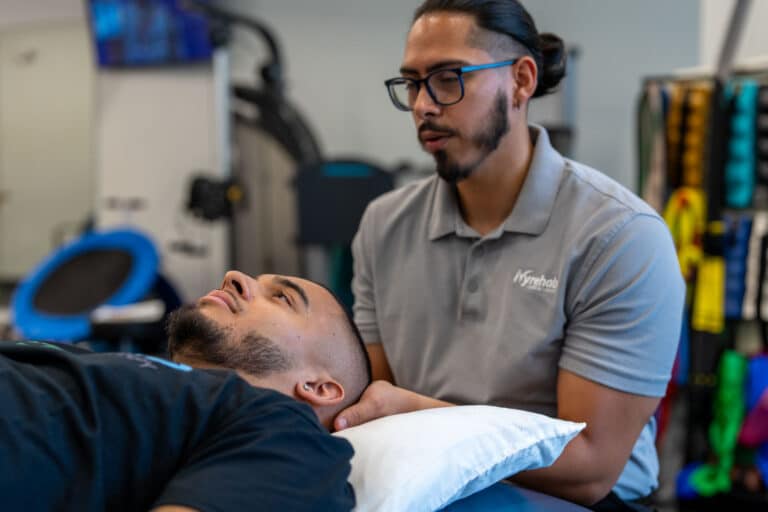
Vestibular Physiotherapy Drogheda at Physio Performance is one of the most specialist and most life-changing services we offer. Dizziness, vertigo, and balance problems are among the most frightening and most debilitating symptoms a person can experience and they are also among the most consistently undertreated because most people do not know that physiotherapy is the most effective treatment available for the majority of vestibular conditions.
If you have been dealing with dizziness that hits suddenly when you turn over in bed or look up at a shelf. If you have had episodes of spinning that come out of nowhere and leave you gripping the nearest surface for support. If you have been managing a persistent sense of unsteadiness that makes you afraid to drive, to walk on uneven ground, or to move through busy environments without holding onto something. This guide is written specifically for you.
The vast majority of people dealing with vestibular symptoms have never seen a vestibular physiotherapist. They have seen their GP, been prescribed medication to manage the dizziness, and been told to avoid the movements that trigger it. This approach manages the symptom without treating the cause. And the dizziness keeps coming back.
Vestibular physiotherapy treats the cause. And the results, when the correct diagnosis is made and the right treatment is applied, are consistently remarkable.
1. What the Vestibular System Is and Why It Goes Wrong
The vestibular system is the sensory system responsible for providing the brain with information about head position, movement, and spatial orientation. It is located in the inner ear and works in coordination with the visual system and the body’s proprioceptive sensors to maintain balance, stabilise vision during movement, and orient the body in space.
When the vestibular system is functioning correctly this coordination is invisible. You can turn your head quickly without your vision blurring. You can walk on uneven ground without feeling unstable. You can roll over in bed without the room spinning.
When something goes wrong with the vestibular system the consequences are immediate and sometimes severe. The most common vestibular conditions we treat at Physio Performance include: Benign Paroxysmal Positional Vertigo (BPPV). The most common cause of vertigo worldwide. BPPV occurs when tiny calcium carbonate crystals that normally reside in one part of the inner ear become dislodged and migrate into one of the semicircular canals. When the head is moved into certain positions these crystals stimulate the canal and trigger intense, brief episodes of spinning vertigo lasting seconds to a minute. BPPV is treated with specific repositioning manoeuvres that move the crystals back to where they belong. The success rate is very high and most patients experience significant relief within one to three treatment sessions. Vestibular neuritis and labyrinthitis. Inflammation of the vestibular nerve or inner ear following a viral illness, producing sudden severe vertigo, nausea, and balance disturbance. The acute phase is managed medically. Vestibular physiotherapy in the weeks and months following the acute episode is essential for facilitating the brain’s compensation process and preventing the chronic dizziness and balance problems that persist without rehabilitation.
Chronic vestibular hypofunction. Reduced function of one or both vestibular organs producing persistent dizziness, unsteadiness, and difficulty with visual tasks during head movement. Vestibular rehabilitation using specific gaze stabilisation and balance retraining exercises is the primary treatment and consistently produces significant functional improvement.
Persistent Postural Perceptual Dizziness (PPPD). A chronic dizziness condition characterised by persistent non-spinning dizziness worsened by upright posture, movement, and complex visual environments. Often follows an initial vestibular event and involves a central sensitisation component alongside the vestibular dysfunction. Requires a specific multifaceted rehabilitation approach.
Post-concussion vestibular dysfunction. Balance problems, dizziness, and visual disturbance following a concussion or head injury. Our vestibular specialist works closely with concussion patients from the acute phase through return to sport, ensuring vestibular symptoms are specifically identified and addressed as part of the complete concussion management programme.
2. Vestibular Physiotherapy Drogheda: The Proven Approach at Physio Performance
2.1 Specialist Assessment by Our Vestibular Physiotherapist
Vestibular assessment requires specific training and specific equipment that is not available in most physiotherapy clinics. At Physio Performance our vestibular specialist Caylan holds postgraduate certification in vestibular and concussion rehabilitation and uses a comprehensive battery of clinical tests to establish the precise vestibular diagnosis before any treatment begins.
The assessment includes specific positional tests for BPPV in all canal variants, oculomotor assessment examining eye movement quality and visual stabilisation, dynamic balance testing, head impulse testing to assess vestibulo-ocular reflex function, and assessment of the central nervous system contribution to symptoms where relevant.
Getting the diagnosis right is the foundation of everything in vestibular physiotherapy. BPPV requires repositioning manoeuvres. Vestibular hypofunction requires gaze stabilisation and adaptation exercises. PPPD requires a desensitisation approach. Applying the wrong treatment to the wrong diagnosis is not just ineffective. It can temporarily worsen symptoms. Specialist assessment protects patients from this.
2.2 BPPV Treatment: The Repositioning Manoeuvre
For patients diagnosed with BPPV the primary treatment is a specific repositioning manoeuvre that moves the displaced crystals out of the affected semicircular canal and back to where they belong. The specific manoeuvre used depends on which canal is affected and in which direction the crystals have migrated.
The most common manoeuvre for the most common BPPV variant is the Epley manoeuvre for posterior canal BPPV. When correctly diagnosed and correctly applied the success rate for BPPV treatment with repositioning manoeuvres is very high with the majority of patients experiencing complete resolution of positional vertigo within one to three sessions.
The important caveat is that BPPV can affect different canals and not all variants respond to the same manoeuvre. Correct identification of the specific canal involved through careful assessment is what makes the treatment work. Applying the wrong manoeuvre or an incorrectly performed manoeuvre produces poor results and unnecessary symptom provocation.
2.3 Vestibular Rehabilitation Exercises
For vestibular hypofunction, post-neuritis recovery, and chronic dizziness conditions the primary treatment is a specific programme of vestibular rehabilitation exercises designed to promote the brain’s adaptation and compensation processes.
Gaze stabilisation exercises train the vestibulo-ocular reflex to maintain clear vision during head movement. These exercises involve keeping the eyes fixed on a target while the head moves and progressively increasing the speed and complexity of the head movement as the system adapts.
Habituation exercises involve repeated exposure to the movements and positions that trigger dizziness in a controlled, graded way. The controlled exposure promotes the brain’s desensitisation to the provocative stimuli over time and reduces the intensity and frequency of symptom provocation.
Balance and gait retraining exercises challenge the balance system under progressively more demanding conditions including reduced base of support, eyes closed conditions, unstable surfaces, and dual task challenges that replicate the demands of daily life and return to sport.
Every patient receives their programme through the Physitrack app with clear video demonstrations and progressive targets so the home exercise programme that drives the majority of vestibular adaptation is always performed correctly and advanced at the right pace.
2.4 Concussion and Post-Concussion Vestibular Rehabilitation
For patients with post-concussion vestibular symptoms our vestibular specialist works as part of the broader Physio Performance concussion management approach, coordinating with our other therapists to ensure vestibular symptoms are addressed specifically while physical rehabilitation and return to sport progression are managed appropriately.
Vestibular symptoms including dizziness, balance problems, and visual disturbance following concussion are extremely common and significantly prolong recovery when not specifically treated. Early vestibular assessment and targeted rehabilitation consistently reduces recovery time compared to rest-based management alone.
For more on our general physiotherapy approach see our Physiotherapist Drogheda guide.
3. Who Vestibular Physiotherapy in Drogheda Is Right For
Vestibular physiotherapy Drogheda at Physio Performance is appropriate for anyone experiencing dizziness, vertigo, or balance problems regardless of the suspected cause. These are the presentations where vestibular physiotherapy is most consistently effective.
Positional vertigo. Spinning dizziness triggered by specific head movements including rolling over in bed, looking up, or tilting the head. This is almost always BPPV and responds remarkably well to treatment.
Persistent dizziness after illness. Ongoing dizziness in the weeks or months following a viral illness affecting the inner ear. Without rehabilitation the brain’s natural compensation process is slower and less complete.
Unsteadiness and balance problems. A persistent sense of imbalance, difficulty walking on uneven ground, or a tendency to veer or hold onto surfaces for support.
Dizziness with head movement. Dizziness or visual disturbance that is specifically triggered by moving the head quickly, particularly relevant to driving, sport, and work tasks.
Post-concussion dizziness and balance problems. Any dizziness or balance disturbance following a head injury, whether or not there was a formal concussion diagnosis.
Chronic dizziness in complex visual environments. Dizziness that worsens in supermarkets, busy streets, or other environments with lots of visual movement and complexity.
According to research published in the Cochrane Database of Systematic Reviews on vestibular rehabilitation, vestibular rehabilitation is a safe and effective intervention for unilateral peripheral vestibular dysfunction producing significant improvement in dizziness symptoms, balance function, and quality of life compared to control conditions. The evidence base for vestibular physiotherapy is among the strongest available for any physiotherapy intervention.
4. Frequently Asked Questions
The speed of improvement depends entirely on the specific diagnosis. BPPV typically resolves within one to three sessions of correctly applied repositioning treatment. Vestibular hypofunction from neuritis or labyrinthitis typically shows meaningful improvement within four to eight weeks of consistent vestibular rehabilitation exercise. Chronic conditions including PPPD typically require longer treatment courses of eight to twelve weeks or more. Your therapist will give you a realistic timeline based on your specific diagnosis at your initial assessment.
Vestibular rehabilitation exercises are designed to provoke mild to moderate dizziness during the exercise because the controlled exposure to the symptom is what drives the brain’s adaptation process. This is expected and normal and does not mean the treatment is not working or that something is wrong. The provoked dizziness during exercises typically settles within minutes. As the rehabilitation programme progresses the exercises become less provocative as the system adapts. Your therapist will give you clear guidance on the expected symptom response and what to do if symptoms are more intense than expected.
Yes. BPPV has a recurrence rate of approximately 15 to 50 percent over the following year after successful treatment. When it does recur it typically responds just as quickly to another course of repositioning treatment. Patients who have experienced BPPV previously can often recognise the characteristic symptoms of recurrence and seek treatment promptly rather than waiting for symptoms to escalate.
No. You can book a vestibular physiotherapy assessment at Physio Performance directly without a GP referral at any time. However if you are experiencing sudden severe vertigo for the first time, particularly if accompanied by other neurological symptoms including double vision, slurred speech, weakness, or significant headache, it is appropriate to seek medical assessment before physiotherapy to rule out central causes of dizziness that require different management.
Yes significantly. Vestibular physiotherapy requires specific postgraduate training in vestibular assessment and rehabilitation that is separate from general physiotherapy training. The assessment tools, the treatment techniques, and the rehabilitation principles for vestibular conditions are distinct from those used in musculoskeletal physiotherapy. At Physio Performance our vestibular specialist Caylan holds specific postgraduate certification in this area ensuring that vestibular patients receive genuinely specialist assessment and treatment rather than a general approach applied to a specialist condition.