Physio Performance, Health & Fitness
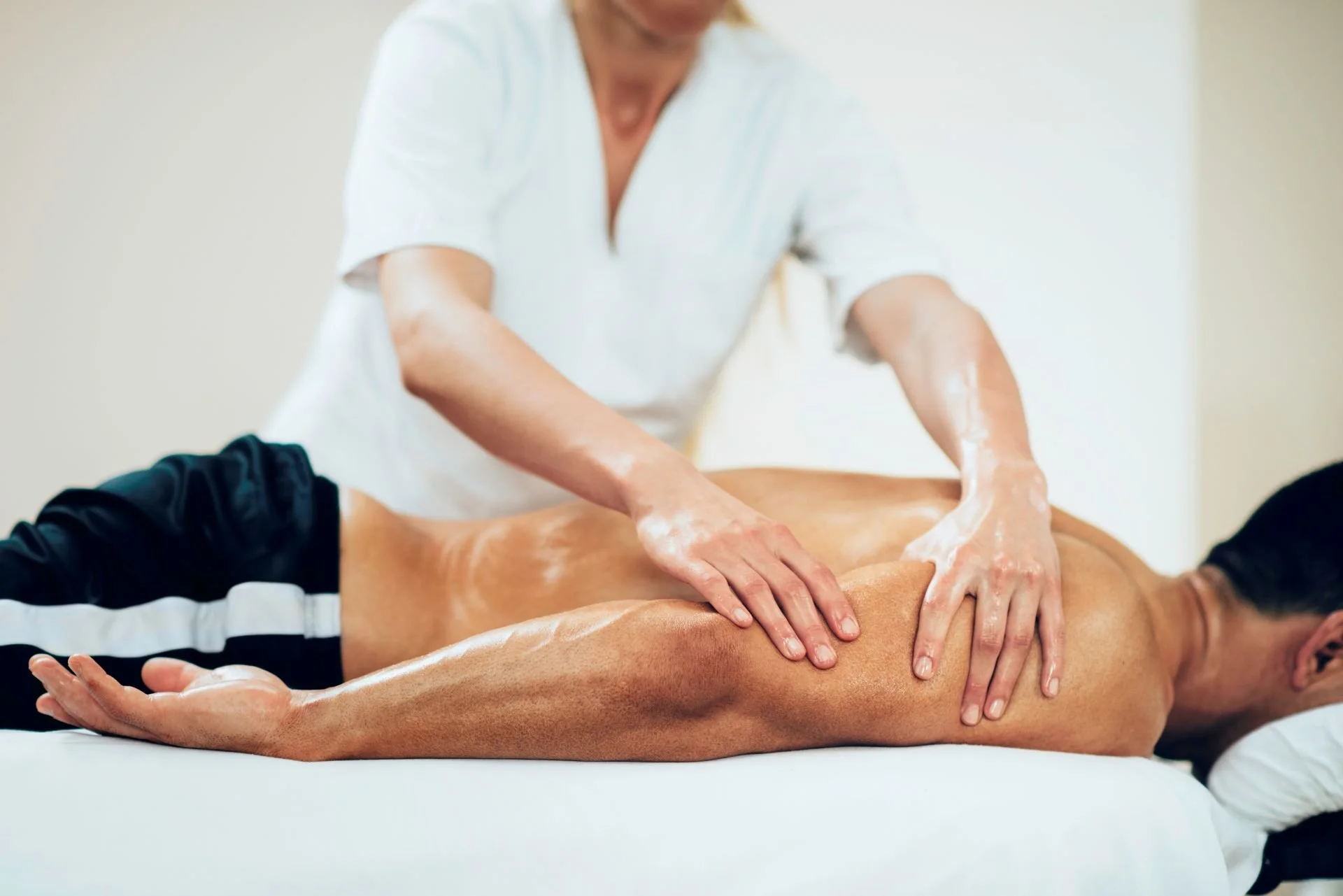
Sports Massage Drogheda at Physio Performance is one of the most effective and most consistently undervalued tools available for athletes, active people, and anyone dealing with chronic muscle tension, recurring tightness, or persistent pain that keeps coming back no matter how much they rest or stretch. Whether you are a GAA player trying to stay fit through a long season, a runner building toward a marathon, an office worker whose shoulders have been in knots for months, or someone recovering from an injury who needs their muscles to work properly again — sports massage delivers results that stretching and rest alone simply cannot.
This guide covers exactly what sports massage is, how it differs from other types of massage, who benefits most from it, and what to expect from a professional sports massage session at Physio Performance in Drogheda.
1. What Sports Massage Actually Is and How It Works
Sports massage is a specific, evidence-informed approach to soft tissue treatment that targets the muscles, tendons, fascia, and connective tissues involved in athletic performance and everyday movement. It is not a relaxation massage. It is a clinical and performance tool — delivered with specific intent, specific pressure, and specific techniques targeted at the tissues that are limiting movement, causing pain, or preventing full recovery.
The physiological effects of sports massage are well documented. Skilled application of pressure to soft tissue increases local blood flow, reduces muscle tension, breaks down adhesions and scar tissue within the muscle belly and fascia, stimulates the nervous system’s response to tissue tone, and reduces the inflammatory markers associated with delayed onset muscle soreness after intense training or competition.
In practical terms this means muscles that were tight and restricted become more pliable and functional. Areas of chronic tension that have been limiting movement and causing referred pain patterns ease. The body moves more freely. Performance improves. Recovery accelerates.
The key distinction between sports massage and general relaxation massage is intent and technique. A relaxation massage uses broad, gentle strokes primarily aimed at promoting relaxation and reducing perceived stress. Sports massage uses deeper, more targeted techniques — deep tissue work, trigger point release, myofascial release, cross-fibre frictions, and neuromuscular techniques — aimed at producing specific physiological changes in the tissue being treated.
2. Who Benefits Most From Sports Massage Drogheda
Sports Massage Drogheda at Physio Performance serves a much broader range of people than the name might suggest. You do not need to be a competitive athlete to benefit significantly from sports massage. These are the people who consistently see the most value from regular sports massage treatment.
GAA players and field sport athletes. The physical demands of Gaelic football and hurling are among the highest of any amateur sport. Repeated sprinting, tackling, jumping, and twisting accumulate significant muscle tension, micro-trauma, and fatigue over the course of a season. Regular sports massage is one of the most effective ways to manage this accumulation, reduce injury risk, and ensure athletes can train and compete at full intensity week after week.
Runners and endurance athletes. The repetitive loading of running creates predictable patterns of muscle tightness — particularly in the calves, hamstrings, hip flexors, and IT band — that build progressively through a training cycle. Left unaddressed these patterns increase injury risk and limit performance. Regular sports massage between training sessions manages these patterns before they become injuries.
Office workers and desk-based professionals. Prolonged sitting creates specific patterns of muscle shortening and tension — particularly in the hip flexors, thoracic spine, and upper trapezius and neck muscles — that contribute to the back pain, neck pain, and headaches that are among the most common reasons people search for a physiotherapist Drogheda. Sports massage addresses these patterns directly and more effectively than stretching alone for many patients.
People recovering from injury. In the rehabilitation phases following acute injury or surgery, sports massage supports recovery by improving tissue quality in the healing and surrounding muscles, reducing compensatory tension patterns that develop when the body protects an injured area, and maintaining mobility in areas that would otherwise stiffen during periods of reduced activity.
Anyone with persistent muscle tightness or tension. Muscles that are chronically tight — that never seem to respond to stretching and keep returning to the same restricted state — are often dealing with changes in tissue quality, trigger points, or neural tension that stretching cannot address. Sports massage reaches these deeper patterns and produces lasting changes that stretching cannot.
3. Sports Massage Drogheda: The Proven Techniques Used at Physio Performance
3.1 Deep Tissue Massage
Deep tissue massage is the foundational technique in sports massage — the application of firm, sustained pressure to the deeper layers of muscle and fascia to release chronic tension, address structural restrictions, and improve tissue quality.
Deep tissue work is not simply pressing harder. It involves working with the muscle’s natural tissue layers, identifying areas of restriction within the belly of the muscle and the fascial layers surrounding it, and applying sustained directional pressure that encourages the tissue to release rather than resist.
At Physio Performance, deep tissue massage is applied with a thorough understanding of anatomy and biomechanics — not as a generic service but as a clinically informed treatment targeted at the specific tissues and patterns relevant to each patient’s presentation. Our massage therapist Ferdia has over 15 years of experience and is the current Louth Senior Football Team Sports Massage Therapist — bringing elite-level expertise to every patient he works with.
Our Deep Tissue Massage subscription packages are designed specifically for patients who benefit from regular treatment — offering significant savings for those who commit to a consistent treatment schedule.
3.2 Trigger Point Therapy
Trigger points are hyperirritable spots within skeletal muscle — tight, painful knots that produce local tenderness and often refer pain to distant areas of the body. The headache that originates from a trigger point in the upper trapezius. The knee pain that is being generated by a trigger point in the vastus lateralis. The lower back pain that is partly driven by trigger points in the gluteal muscles.
Trigger point therapy involves the application of sustained pressure to these specific points — holding until the neurological response produces a release of the knot and a reduction in both local and referred pain. Done correctly it produces immediate, tangible changes in pain and muscle tone that patients notice within the session.
Understanding the referral patterns of common trigger points allows a skilled massage therapist to identify the source of pain that may be generating symptoms far from where the patient feels them. This is one of the most clinically valuable aspects of sports massage when delivered by a knowledgeable practitioner.
3.3 Myofascial Release
Fascia is the connective tissue that surrounds and connects every muscle, organ, and structure in the body. When fascia becomes restricted through injury, overuse, poor posture, or chronic tension, it creates restrictions that limit movement, generate pain, and cannot be addressed by working on the muscle tissue alone.
Myofascial release involves applying gentle but sustained pressure to fascial restrictions — holding at the barrier of restriction until the tissue softens and elongates. Unlike deep tissue work which works more directly on the muscle, myofascial release works at the interface between the muscle and the surrounding connective tissue and produces releases that feel different from conventional massage — slower and more progressive.
Myofascial release is particularly effective for patients with widespread tightness, movement restrictions that have been present for a long time, and conditions where fascial involvement is a primary factor — including thoracic restriction, hip flexor complex tightness, and plantar fascial tension.
3.4 Cross-Fibre Frictions
Cross-fibre friction techniques involve applying direct pressure across the grain of muscle or tendon fibres — perpendicular to their direction of travel — to break down adhesions, reduce scar tissue, and restore normal tissue texture in areas that have been injured or chronically overloaded.
These techniques are specifically valuable in the treatment of tendinopathy conditions and in the rehabilitation of muscle and tendon injuries where scar tissue formation has created restrictions within the healing tissue. Cross-fibre frictions combined with progressive loading rehabilitation consistently produce better tissue quality and better functional outcomes than loading alone.
3.5 Neuromuscular Techniques
Neuromuscular techniques use the nervous system’s own response mechanisms to produce muscle releases that cannot be achieved through direct pressure alone. Techniques including muscle energy techniques and proprioceptive neuromuscular facilitation work with the muscle’s natural relaxation response following contraction to achieve deeper releases in chronically tight muscles.
These techniques are particularly effective for muscles that resist direct pressure — the hip flexors, the piriformis, and the posterior shoulder muscles that are chronically shortened in desk-based workers and overhead athletes.
4. Sports Massage for GAA Players in Drogheda and Co. Louth
For GAA players across Drogheda, Ardee, Dundalk, and the wider Co. Louth area, sports massage is not a luxury — it is a maintenance tool that keeps the body functional through the demands of a long GAA season.
The GAA calendar in Louth runs from early spring through the summer championship, placing enormous cumulative physical demands on players who are often training three or four times per week while also playing matches and managing the physical demands of work and daily life. The muscle tension, fatigue, and micro-trauma that accumulate through this schedule do not fully resolve between sessions with rest alone.
Regular sports massage — ideally every two to three weeks during peak season — addresses the accumulation before it becomes injury. It keeps the hamstrings, hip flexors, calves, and upper body tissues at a quality and length that allows full performance expression rather than the restricted, guarded movement that chronic tightness produces.
Our massage therapist Ferdia works directly with the Louth Senior Football Team and brings that elite-level understanding of what GAA athletes need to every athlete who comes through our doors in Drogheda. For athletes recovering from hamstring injuries specifically, sports massage is one component of the comprehensive rehabilitation system that includes our HRIG Hamstring Assessment — the only device of its kind in the Louth and Meath area.
For post-match recovery strategies that complement regular sports massage, see our guide on Post Match Recovery Tips.
5. How Often Should You Get a Sports Massage
This is the question most patients ask before their first session and it deserves an honest answer. Shockwave therapy is not painless — particularly in the initial sessions when the treatment area is most sensitive. Most patients describe the sensation as a deep, repetitive pressure or tapping that is uncomfortable over the most tender areas.
However the discomfort is entirely manageable and tolerable for the vast majority of patients. The intensity is adjusted based on patient feedback throughout every session. As the course of treatment progresses and the tissue begins to respond, sensitivity at the treatment area typically reduces and sessions become progressively more comfortable.
The important context is that shockwave therapy is specifically recommended for conditions that have been causing significant pain and limitation for months or years. The temporary discomfort of treatment is consistently regarded by patients as entirely acceptable compared to the ongoing daily pain and restriction they have been managing without improvement.
According to research published in the Journal of Orthopaedic Surgery and Research, shockwave therapy demonstrates a strong safety profile with minimal adverse effects across thousands of documented cases, making it one of the most evidence-supported non-surgical interventions for chronic musculoskeletal conditions.
6. Sports Massage vs Deep Tissue Massage vs Physiotherapy: What Is the Difference
Patients frequently ask how sports massage relates to deep tissue massage and physiotherapy — and whether they need one, two, or all three. The answer depends on what you are dealing with.
Sports massage and deep tissue massage are largely overlapping terms. Sports massage traditionally refers to treatment delivered in the context of athletic performance and recovery. Deep tissue massage refers to the application of firm, targeted pressure to deeper muscle and fascial layers. In practice at Physio Performance these are used interchangeably — our massage sessions incorporate deep tissue techniques as a core component alongside trigger point therapy, myofascial release, and neuromuscular techniques.
Physiotherapy addresses the diagnosis and treatment of the underlying structural, biomechanical, or neurological factors driving a patient’s symptoms — including assessment, exercise prescription, manual therapy, and technology-assisted treatments. Sports massage addresses the soft tissue component of that picture — the muscle tension, adhesions, trigger points, and fascial restrictions that contribute to symptoms and limit recovery.
For many patients the combination of physiotherapy and regular sports massage produces significantly better outcomes than either alone — because each addresses a dimension of the problem that the other does not fully cover. Your physiotherapist at Physio Performance will advise whether a sports massage component would benefit your specific treatment plan.
For more on how our full range of physiotherapy services fits together, see our Physiotherapist Drogheda guide and visit our Sports Massage Drogheda service page.
7. Frequently Asked Questions
Sports massage involves firm pressure and can be uncomfortable in areas of significant tension or trigger point activity. Most patients describe the sensation as a productive discomfort — the feeling of something being worked out rather than something being damaged. Good communication between therapist and patient throughout the session ensures that pressure is calibrated appropriately. Significant pain at any point during treatment should always be communicated to your therapist.
Both have value but serve different purposes. Pre-exercise sports massage — lighter in pressure and focused on activation rather than deep release — can improve tissue readiness and reduce the risk of acute muscle strains. Post-exercise sports massage — delivered 24 to 48 hours after intense training or competition — is more effective for addressing the tension and soreness that have already developed and for accelerating recovery before the next training session. Deep pressure directly before intense exercise is generally not recommended as it can temporarily reduce muscle activation.
Some patients experience temporary soreness in the treated areas for 24 to 48 hours after a sports massage session — particularly after a first session or a session targeting areas of chronic tension. This is a normal tissue response rather than damage and typically resolves fully within two days. Staying well hydrated after treatment supports the recovery process. If soreness lasts significantly longer than 48 hours, contact your therapist.
Yes — sports massage is one of the most effective interventions for the muscular component of chronic back pain. Chronic lower back pain almost always involves significant muscle tension, trigger point activity, and fascial restriction in the paraspinal muscles, gluteal muscles, and hip flexors. Addressing these soft tissue components through regular sports massage, combined with the exercise rehabilitation and movement correction work of physiotherapy, consistently produces better outcomes than either approach alone. Download our Free Lower Back Pain Guide for more practical advice.
No. You can book a sports massage at Physio Performance directly without a physiotherapy referral. If you are unsure whether sports massage is the right treatment for your specific condition, our team can advise during the booking process. Some patients benefit from a physiotherapy assessment first so that the massage therapist has a clear clinical picture of the contributing factors — particularly for complex or long-standing presentations.